?What is Life
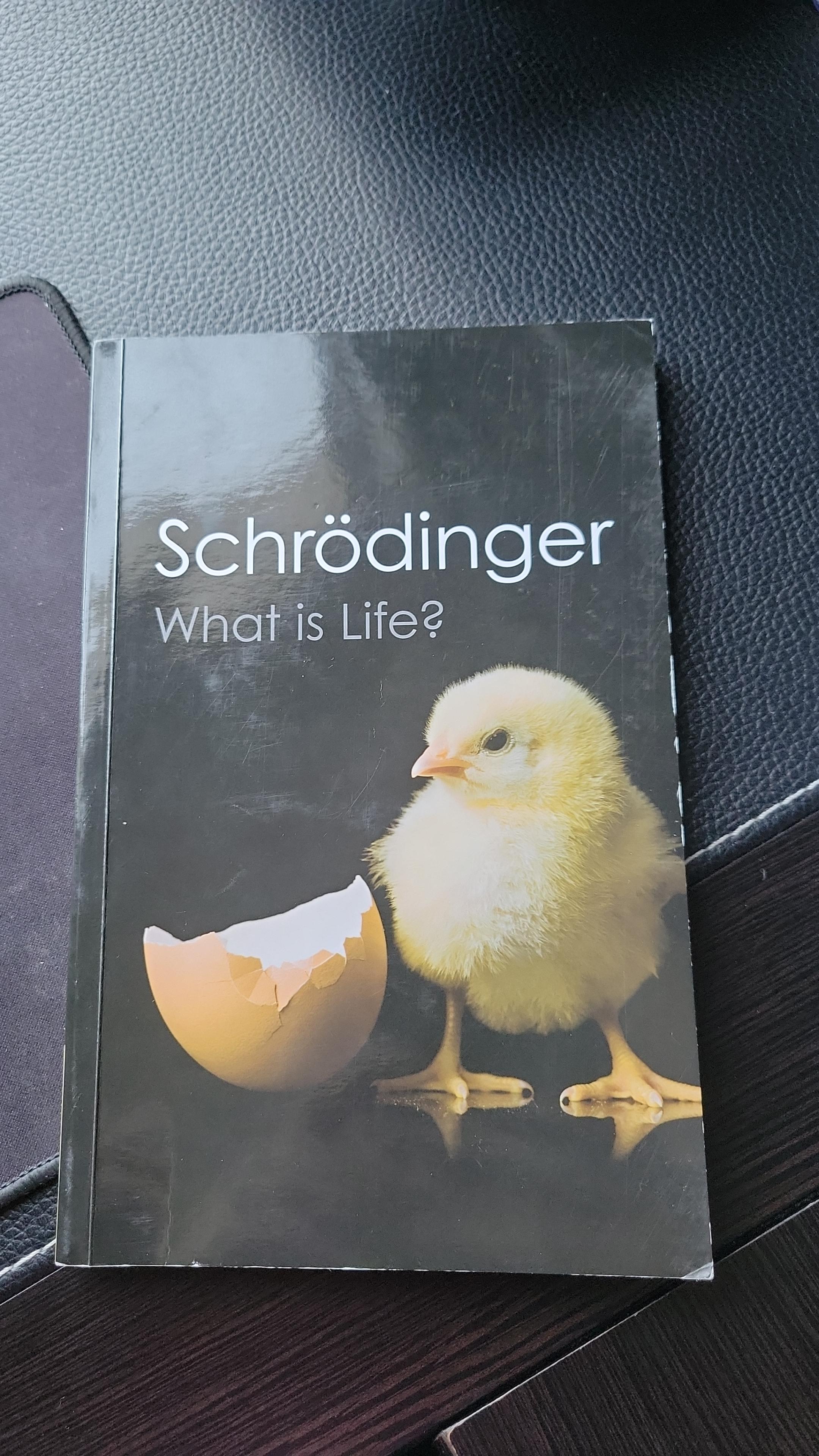
Schrödinger
-------------------------------
رسالة غريبة في نظري للعالم
شرودنجر (احد اعمدة الفيزياء الحديثة) تتكلم عن الجانب الحياتي لفيزياء الكم والجسيمات
يبحث فيها العالم في امور التطور او التكوين من اطار وراثي بحت ويحاول التفصيل في كل ذلك من وجهة نظر فيزيائية
الكتاب اقرب لكونه Pop Science من علم خالص ولكن لم اتوقع كمية الوضوح الخالصة وخصوصاً من شخص مثل شرودنجر. وكأن الكاتب وضعه كملخص لعلاقة فيزياء الكم بالعلوم الحاتية والادراك..
______________________________________________________________________________________________
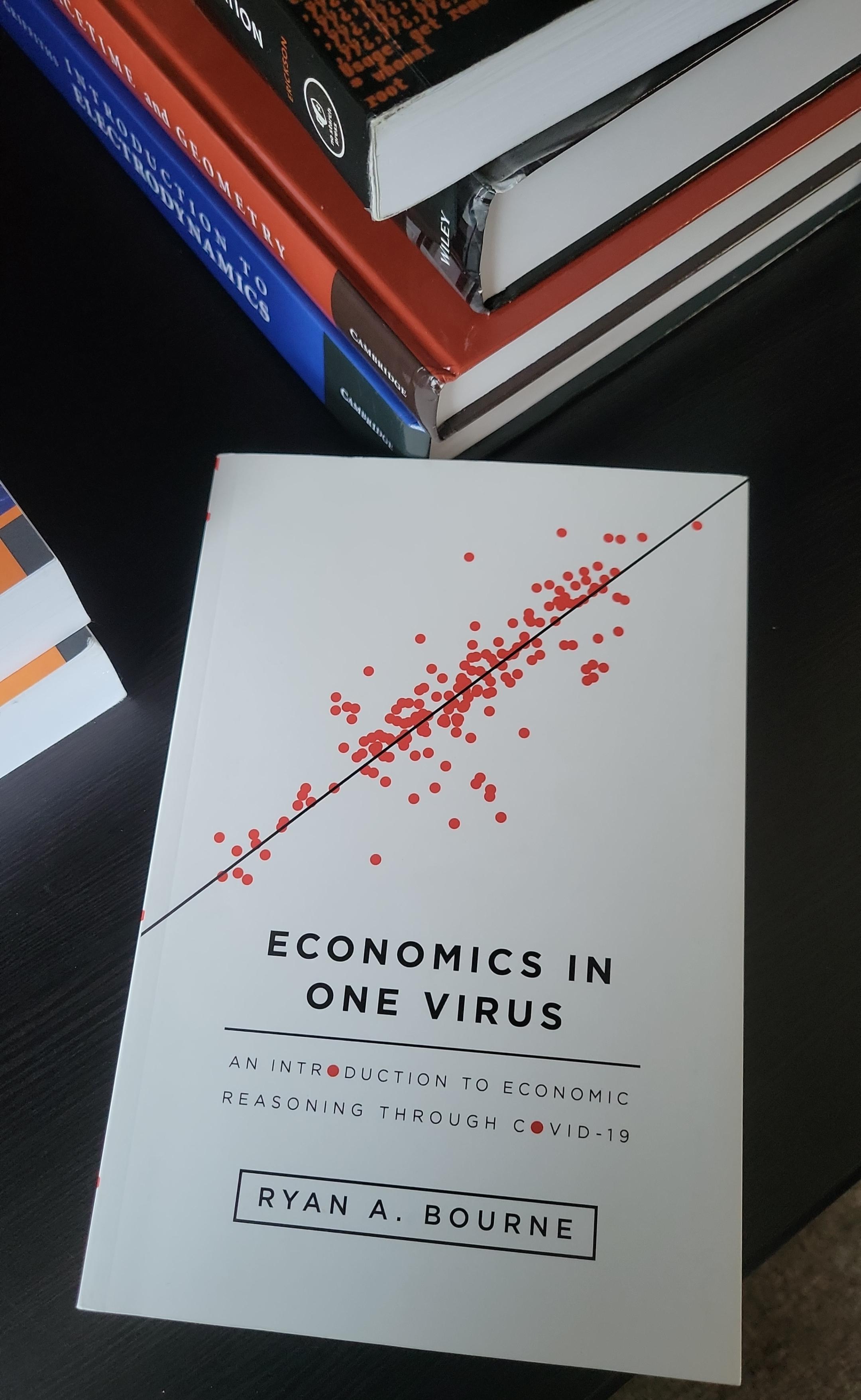
Economics In One Virus
Ryan A. Bourne
ببساطة Econ 101 مستخدماً الاطار الاجتماعي والاقتصادي ايام كوفد كمثال. الكتاب يتكلم من وجهة نظر الولايات ويعطي الامثلة من ذلك النطاق
الكتاب فيه نقد حاد لمن ادعى وجود طريقة لحفظ الاسواق ويقول بعدم حتمية السوق وبنائها الاساسي على الجانب النفسي والاجتماعي
في الوقت ذاته يشرح اساسيات ال Macroeconomics لكن بشكل سطحي وقصصي للغاية
اضافة جيدة للمهتمين بمادة الاقتصاد وال Market Reactions.
______________________________________________________________________________________________
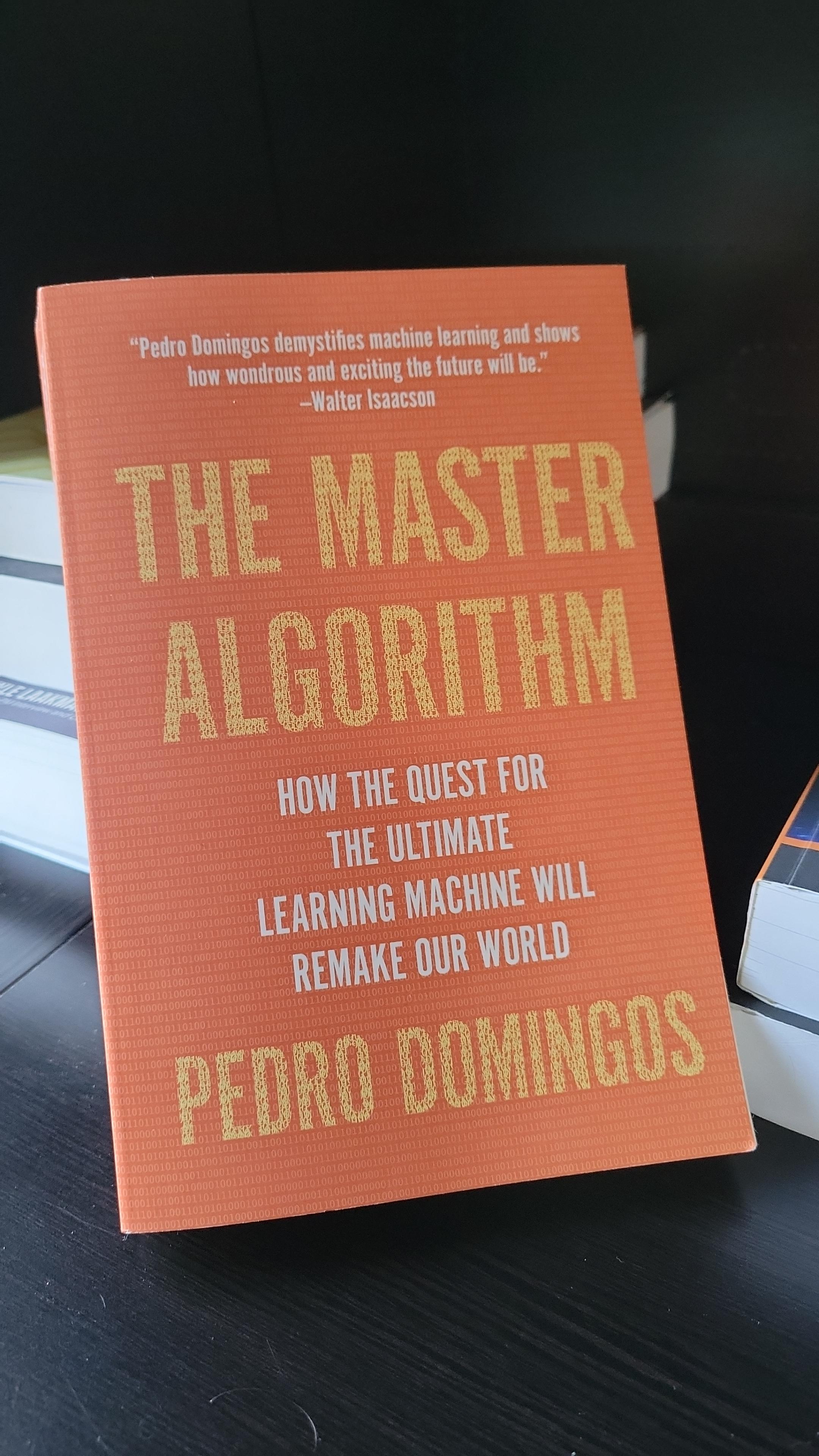
The Master Algorithm
Pedro Domingos
انهيته قبل فترة ونسيت وضع الانطباع. الكتاب ممتع ويعطيك امثلة عن كيفية استخدام الخوارزميات في الحياة اليومية
لسبب ما نسيت الكثير مما يحويه الكتاب فجاري القراءة للمرة الثانية لكن اذكر طريقة طرح الخوارزميات كانت ممتازة وبامثلة طريفة للغاية
مثال من الكتاب:
Suppose you’re leading a platoon in single file through enemy territory in the dead of night, and you want to make sure that all your soldiers are still with you. You could stop and count them yourself, but that wastes too much time. A cleverer solution is to just ask the first soldier behind you: “How many soldiers are behind you?” Each soldier asks the next the same question, until the last one says “None.” The next-to-last soldier can now say “One,” and so on all the way back to the first soldier, with each soldier adding one to the number of soldiers behind him. Now you know how many soldiers are still with you, and you didn’t even have to stop. Siri uses the same idea to compute the probability that you just said, “Call the police” from the sounds it picked up from the microphone. Think of “Call the police” as a platoon of words marching across the page in single file. Police wants to know its probability, but for that it needs to know the probability of the; and the in turn needs to know the probability of call. So call computes its probability and passes it on to the, which does the same and passes the result to police. Now police knows its probability, duly influenced by every word in the sentence, but we never had to construct the full table of eight possibilities (the first word is call or isn’t, the second is the or isn’t, and the third is police or isn’t). In reality, Siri considers all words that could appear in each position, not just whether the first word is call or not and so on, but the algorithm is the same. Perhaps Siri thinks, based on the sounds, that the first word was either call or tell, the second was the or her, and the third was police or please. Individually, perhaps the most likely words are call, the, and please. But that forms the nonsensical sentence “Call the please,” so taking the other words into account, Siri concludes that the sentence is really “Call the police.” It makes the call, and with luck the police get to your house in time to catch the burglar



 وطاقم الشخصيات عموماً جداً ممتاز وتعلقت فيهم بسرعة.

 .... مابين هذا وخطاب كالسير و إليند، براندن ساندرسن سيد الخطابات الملحمية .