hits counter

الموضوع الرسمي للمقالات والمقابلات في أخبار الانمي والمانجات

  • بادئ الموضوع بادئ الموضوع Hugo
  • تاريخ البدء تاريخ البدء
بس ميازاكي كان له دور بهايدي على ما اعتقد رسم كل اللاياوتز.
يب
هنيك كان ميلاد اللاياوتز أصلا وتدري من أسباب غضبة سوزوكي وميازاكي على تاكاهاتا أنه في نصفه الثاني خصوصا في يامادا كان يدمر كل شيء بناه بالذات نظام تقسيم العمل واللاياوتز الي هو نفسه طوره في هايدي والشلة
خخخخ ميازاكي حسب ما فهمت مش عاجبته شخصية ان xD
اصلا تحسها انتي ميازاكي كثير لا من ناحية الشكل ولا حتى كشخصية مثالية اللي بالعادة يحبهم ميازاكي.
هو المشاكل بدأت مع نهاية ماركو اذا كنت اتذكر فميازاكي بقي يتذمر عن اشياء بسيطو هنا وهنيك
هو ما صار يقدر يفهمه وصح الشخصيات الأنثوية جزء من ذا وآن بالذات (تاكاهاتا مثلا وجد نفسه في مواجهة الترجمة المشهورة لها قبل ما نتكلم حتى عن الطاقم) او في Horus مثلا ميازاكي يقول انه ولا احد فهم ايش يبغى يسوي بشخصية هيلدا لكن عموما كان سعيد بالباقي, لكن بعد ماركو الانفصال التام كان حتمي
 
التعديل الأخير:

هي تتبع سلسلة مقابلات مع رسام ومحرجين انيمشن عالميين

هذه المقابلة حلوة Peter Chung أعتقد افضل واحد يقدر يعطيك مكامن تميز الانمي واختلافه عن الانيمشن الغربي (والذي اقصده مش الاشياء الخمة الحالية لا اقصد الفلسفة القديمة بالتحريك والخ)، هو كوري امريكي له ارتباط قوي مع الانمي وتأثر فيه وبرضو عارف المدرسة الغربية حصوصا ديزني العصر الذهبي، اللي تشوفه هنا كلام ما تقرأه عادة من صناع غربين عن الانمي وخصوصا ديزاكي، الذي يجعل هذا اللقاء جميل لي انه يتكلم عن عمل محبب سبيس كوبرا وكونه يكون غير نظرته للميديم كفاية شهادة منه على جودته، انصح بالمقابلة فيه كلام كثير حلو ومثري.
 
  • اعجبني
التفاعلات: Hugo

ما شدني الا الترجمة الغلط هنا
لقد تحدثت رسميًا أنك تضع فيلم Death Stranding لهيديو كوجيما في مكانة عالية، قائلاً إنه أنجز أشياء تتجاوز ما يمكن للفيلم تحقيقه. كيف يفتح البعد الإضافي للتفاعل في ألعاب الفيديو كوسيط إمكانيات جديدة للسرد؟ هل فكرت في العمل على لعبة الفيديو؟


أوشي:
من المؤكد أن القدرة على تقديم تجربة فريدة من نوعها ”للانغماس الكامل في عالم آخر“ متأصلة في وسيط ألعاب الفيديو. الافلام لا مجال للمقارنة. أصبحت هذه التجربة ممكنة أيضًا من خلال الطول الهائل للوقت الذي تقضيه منغمسًا في عوالم الألعاب، وحقيقة أنك تتحكم في تصرفات واختيارات الشخصيات في هذا العالم - أبعاد التجربة التي لا يمكن تحقيقها مع الأفلام. لقد لعبتُ شخصيًا أكثر من 2000 ساعة من العديد من الألعاب، وهي توفر تجربة لا تستطيع الأفلام القيام بها.

بس نعم اوشي فاهم
 

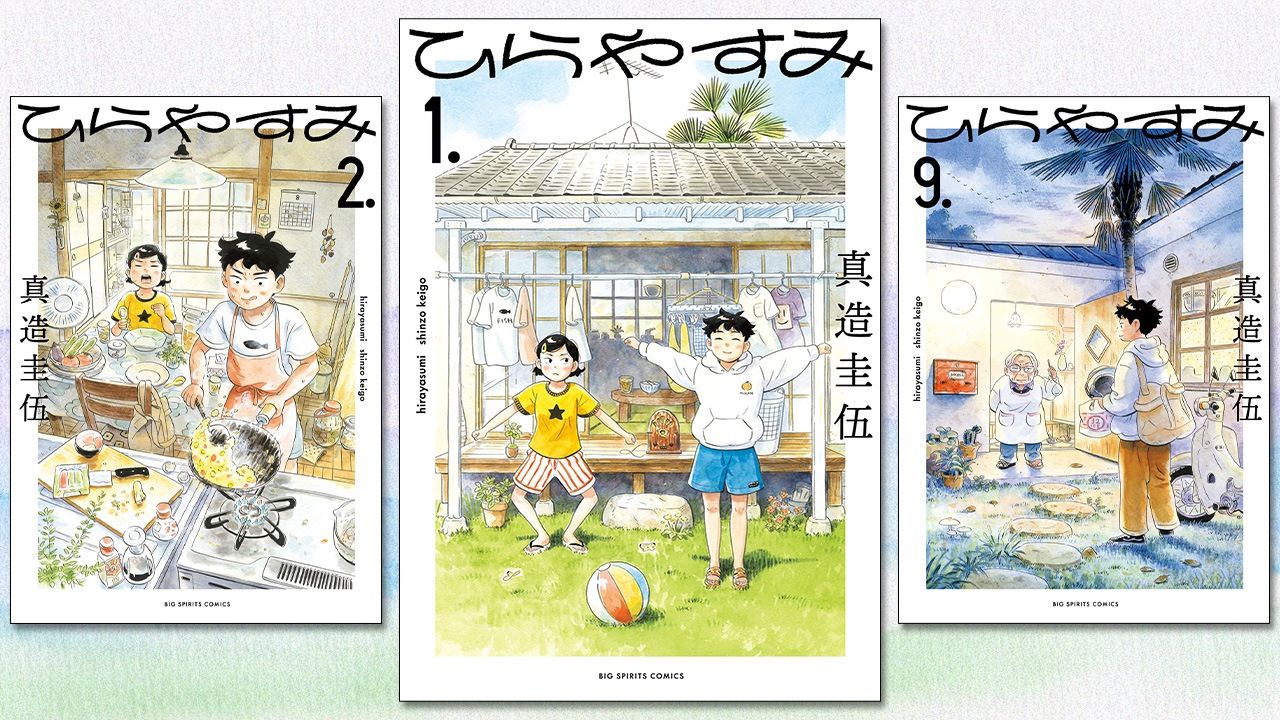
vol.05 Drawing the Connection Between Nature and People

Igarashi Daisuke

Igarashi Daisuke is a mangaka who illustrates the pulse of nature dynamically yet subtly. From the rich daily lives in farming villages to grand adventures set on the ocean stage, he has produced ambitious works, one after another, with nature as a theme. How does the world look to him?

tumblr_inline_pdw5zaBJD31sad9pf_250.jpg

Igarashi Daisuke

Born in Saitama prefecture in 1969. In 1993 he won the grand prize in the Four Seasons manga contest that runs in “Monthly Afternoon” (Koudansha). Following that, he moved to the Koromogawa village in the Iwate prefecture (Now Oushuu). He spent his life there drawing manga while farming. He’s the author of countless works such as “Little Forest” (Koudansha), “Children of the Sea” (Shougakukan), “Hanashippanashi” (Kawade Shobou Shinsha), “Kabocha’s Adventures” (Takeshobou). He’s known for his grand works that make nature a theme.

There’s No Such Thing As a “Weed”

tumblr_inline_pdw5zbKGeV1sad9pf_250.jpg

”Little Forest” 2 Volumes (Koudansha)

--I’d like to talk to you today about the connection between nature and people that you’ve drawn in your manga. First of all, the movie version of “Little Forest” staring Hashimoto Ai-san will be released this summer (the summer/fall portion will be released in August and the winter/spring portion is slated for release in February of next year). The story of a young woman, who comes back to the countryside from the city to lead a self-sufficient life, is drawn in this work. There’s one story in your original work that left a very deep impression on me. It was the chapter about the horsetails. I felt like the way of thinking in it was really interesting, of how if you approach it differently there’s no such thing as something that’s a “weed”.

I’ve always been interested in the plants and grass that grow on the side of the streets. Back when I was a student I already knew that a lot of those plants were edible. So I actually did feel like there was something off with the word “weed,” but once I started farming myself, my way of thinking changed a little.

--Please allow me to explain a bit for the readers. After Igarashi-san’s first series finished, he moved to Koromogawa village in the Iwate prefecture (Now Oushuu) and spent about three years farming.

Yes. And when I was actually farming I don’t think I’d be able to say it was all that easygoing. After all, you get a huge number of weeds trying to make their way onto the fields (laugh). However, I don’t come from farmer stock, so I left the plants that I found had interesting shapes to them alone and stuff. I thought, like, I might as well leave them there until they flower. Anyways, I believe that calling something a “weed” is at most just about the way humans look at it.

tumblr_inline_pdw5zcrYHO1sad9pf_640.jpg

Left: Koromogawa Village, where Igarashi-san lived a self-sufficient life.

Right: In front of his house, where narcissus grew by themselves.

--Another phrase that left an impression on me was in the first volume, “The things that are growing there play the leading role on the dining table.” That as long as you put in the time and effort, nearly everything is edible. Igarashi-san, you were born in the Kantou area, so why did it occur to you to try farming in the Touhoku area?

My parents were born in the Touhoku region, but it wasn’t just that. After I finished with my first serialized work, “Hanashippanashi,” for some reason I decided I wanted to try living in the north for awhile. At the time I didn’t have much manga work and I had a lot of time, so I figured that I might as well use it to raise crops and learn a skill besides manga.

--What do you mean when you say “skill besides manga”?

At that time I had been traveling around and what I realized from that was that, when you talk about people who were living on islands that are limited in means of transportation, they basically do everything they need to do by themselves. In other words, it’s like, they naturally learn the various skills they need to have to live. When you’re in a city, you can buy pretty much anything, and if you’re in trouble, all it takes is one phone call and you can get someone to come help you out. And that’s a great system for what it is, but at the time I thought it was much cooler to be able to do everything on your own like those island people. But with that said, it’s not like I could do everything right away, so at first I began by growing tomatoes in my garden.

--Did you intend to have manga coexist with farming?

No. I had thought that I wanted to get some distance from manga for a while. I didn’t move to the Touhoku region and live a self-sufficient life in order to look for material to write manga like “Little Forest.”

--I see. I mentioned how the chapter about horsetails left an impression on me earlier, another chapter that left an impression on me was the chapter about aigamo. In that chapter you draw about butchering the aigamo used in the aigamo farming method, and even draw about eating them. It’s a story that really conveys the sense of taking and receiving life.

tumblr_inline_pdw5zduh7u1sad9pf_400.jpg

I have actually helped with butchering the aigamo. Even though I used to be someone who couldn’t even kill a bug (laugh), but when you’re farming you kill the bugs that get in the way of your work out of necessity. Through that process, maybe a part of me that was more clear cut and practical about it was formed. So when I came up against butchering the aigamo, it wasn’t something that made me waver all that much. I had been thinking less about the butchering and more about how I would be receiving all of it that was edible, including the fat.

tumblr_inline_pdw5zdQRdS1sad9pf_640.jpg

The Meaning of the Word “Itadakimasu” [I Humbly Receive]

--When I hear that story, it adds even more weight to the word “itadakimasu” that keeps on cropping up repeatedly throughout “Little Forest.”

A large part of the meaning of the word “itadakimasu” of course has to do with receiving life, but there’s also the aspect of receiving time. For example, even if you’re growing vegetables in a garden, that process takes an incredible amount of time. Chopping down the trees in the forest, cultivating the soil, borrowing the strength of cows, horses, and fertilizer, that takes tens of years, and only then are you finally able to gather product from it. I think you can say the same thing for meat and fish, but it’s particularly true for produce, just by looking at it, the time that was connected to it springs to mind. I feel like the time that is connected to plants is part of a different flow of time than that measured by the movements of the hands on a clock.

tumblr_inline_pdw5zeoG6C1sad9pf_400.jpg

--Speaking of plants, people don’t just eat them, they use them to decorate the room and raise them in gardens, too. And, if you want to celebrate something, you’ll send people bouquets as well, or dedicate them for people who have passed away…

Yes. Flowers, which you must spend time on in order for them to grow, easily express the many thoughts of people doing those things. I believe they’re things that you must have, in a similar way to art and such, rather than the way you might need food or clothes. Flowers that you see put up for decorations aren’t the only ones that are pretty. The flowers that bloom from vegetables are also beautiful. And even more so, there are some so-called weeds that give bloom to gorgeous flowers.

--While we’re on this subject, what was it that you, Igarashi-san, wanted to say with the work “Little Forest”?

This overlaps with what I was talking about earlier about the island but, take for example a young girl who lives in a farming village, she would be highly skilled. Like she would take care of her children, husband, and grandparents, while managing chores around the house and helping with farm work. Furthermore, she would grow beautiful flowers in the garden, cut grass growing on the streets, and make preserved foods out of the plants she foraged. For her, that might be the most obvious part of daily life, but for me, when I see that sort of thing I just think it’s simply amazing and admirable. I couldn’t possibly do all of that (laugh). But there’s no sense that she’s suffering through it just to get by in life, she’s enjoying it. Everyone is looking like they’re incredibly fulfilled. In other words, the first thing that prompted me to think about drawing “Little Forest” was how I thought it wouldn’t be too bad if we took a look back at that kind of life. Isn’t that the kind of life that you can really call full and ample? I still feel that way now.

tumblr_inline_pdw5zfiCLL1sad9pf_640.jpg

Human Beings Still Know Nearly Nothing About This World

--Next I’d like to ask you about “Children of the Sea,” a work that you’re very well known for. In this story a girl named Ruka meets two strange youths who have been raised by dugongs, Umi-kun and Sora-kun.It is a grand tale of how she gets wrapped up in an adventure that closes in on the secrets of the world. Is this idea that gets repeated throughout the work, of how we are one part of this universe, something that you were thinking about from the very beginning?

Yes, that’s right. And it’s not just limited to “Children of the Sea,” I also draw how I felt back when I was a student and the things that I thought when I was actually living in the mountains into my various manga. The crux of my answer might be a bit off from what your question was, but when you’re living in a city and you’re surrounded only by man-made artifacts, the things that are reflected in your eyes are in stasis. They’re not moving. Yet, when you’re in the middle of the sea and the mountains, everything that surrounds you is always moving. I noticed a certain time ago that the environments that are surrounded by winds, trees, and grass, are the places that I can feel most calm in. A few years ago when I was finished with my life in Iwate, I moved back to the city briefly, but now I’m living in Kamakura, where there’s a lot of green.

--In “Children of the Sea” you also draw something that seems to be saying “The nature that we know is nothing more than one part of its whole.” It’s like that young, brilliant oceanographer, Anglade, says- “Of all the things that exist in this world, we human beings can see nothing more than an iota.”

We are want to think that what enters the scope of our vision makes up the entirety of the world. When you’re living in our modern age where our culture has developed in accordance with information, you end up inadvertently thinking you know everything. Like, that there’s no place on Earth that isn’t known. However, in reality, there are fewer people who have been to the deep seas, which make up a large area of the Earth, than there have been that have been to space. There is probably more that human beings don’t know that is related to the oceans and the Earth.

tumblr_inline_pdw5zg8V0P1sad9pf_400.jpg

--Taking a step back, did you learn how to farm by yourself?

That’s right. Though I was also taught by people nearby, I basically learned by myself through reading books. In order to spend the least amount of time and labor as possible to learn how to raise crops, I did things my own way through trial and error. I brought my cat, Kabocha [Pumpkin], with me to the village too, but during that time I completely neglected [her/him]. I picked [him/her] up from Morioka city, but Kabocha adapted way more quickly to farm life than I did (laugh).

--And the daily life of your beloved cat appears in the incredibly cute work, “The Adventures of Kabocha.” By the way, were you moved when you harvested your rice and vegetables for the very first time?

I wasn’t so much moved as I was just relieved that I had somehow obtained something that I could eat (laugh). Perhaps it was from that moment that I first had a real sense of how much time it took to harvest something, as I was saying before.

--Lastly, could we hear your thoughts about drawing the connection between nature and people through entertainment?

It doesn’t have to be with manga, but when you want to express something, I think your own sense of values will always come to the forefront of that. So, for me, it’s not that I went out of my way to use nature as a theme, but I think it would be more accurate to say that when I drew what I wanted to draw, that’s how it ended up. I think I’ll continue to draw things that are related to nature in some way, but I don’t intend to boisterously call attention to environmental problems in the works. Of course, I have my own way of thinking, but for the people who have read my manga, if it leads to them each feeling their own connections between nature and self, then that’s enough for me.

Interviewer: Shimada Kazushi, Photographer: Mizuno Seiji

المترجم : laikagohome

 
التعديل الأخير:
  • اعجبني
التفاعلات: Hugo
 
  • اعجبني
التفاعلات: Hugo


عنده طريقة جميلة في الكلام وجابها على الجرح
audiences nowadays aren’t looking for ‘poison.’ They’re probably craving an ‘antidote’ within fiction precisely because the real world is so cruel,” Urobuchi explains. “And that kind of ‘comfort’ should be made by younger generations. I’m thinking it would be better if I took a step back for a bit.

::cry::
 
  • اعجبني
التفاعلات: Hugo
أنا قرأت اللقاء الأصلي (ما أحب الصفحة ذي الي تنقل أخبار بشكل متخلف) وسأله لو رح يترك كل شيء بس قال لا هو رح يكمل صناعة ألعاب لكن الروايات المرئية شكله مبتعد عنهم للآن. تكلم عن كثير جزئيات حلوة برضو من تاريخه واللقاء يستاهل الصدق المتابعة لو مهتم فيه.
 
عودة
أعلى